أ
Home
›
Abu Abd al-Rahman al-Sulami
Abu Abd al-Rahman al-Sulami أبو عبد الرحمن محمد بن الحسين السلمي
325-412 AH / 937-1021 CE
6
Titles in catalogue
About
Abu Abd al-Rahman al-Sulami (325–412 AH / 937–1021 CE) was a Sufi master, hadith traditionist, and historian of Nishapur, then a flourishing metropolis of Khurasan that rivaled Baghdad in learning. Born to a respected scholarly family, he inherited the substantial library of his teacher Ismaʿil ibn Nujayd, a space that grew into a small Sufi lodge where he taught and wrote. Shafiʿi in law, he was reported to have composed more than a hundred works and treatises, many now lost.
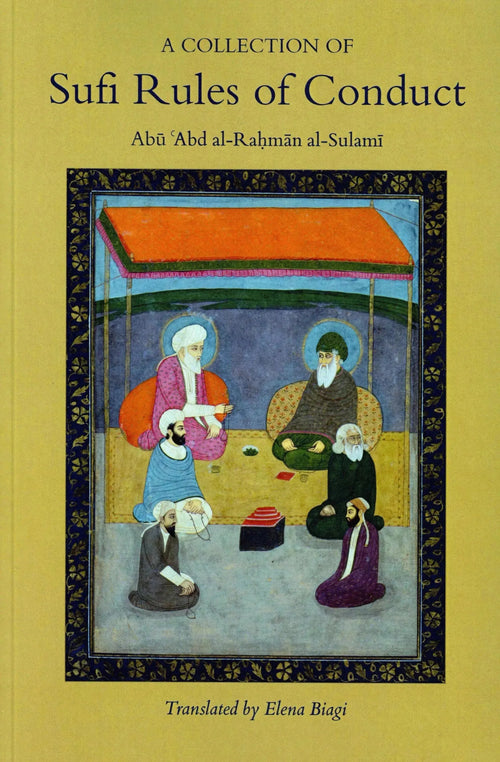
He is best known for two landmark books. His Tabaqat al-Sufiyya gathered short biographies and representative sayings of roughly a hundred early Sufi masters of the second through fourth centuries, assembling the doctrinal foundations from which later Sufism developed; it shaped the tradition of Sufi hagiography for centuries. His Haqaʾiq al-Tafsir, a mystical commentary on the Qurʾan, redefined exegesis by presenting spiritual teachers as authorities of meaning, and remains a touchstone for the study of Sufi tafsir. His Dhikr al-Niswa al-Mutaʿabbidat al-Sufiyyat, rendered into English as Early Sufi Women, is the earliest known work devoted entirely to women of the path, preserving portraits of some eighty figures. Shorter treatises such as his works on the conduct, manners, and inward maladies of the seeker continue to circulate today. His writings remain primary sources for the early history of Islamic spirituality.
He is best known for two landmark books. His Tabaqat al-Sufiyya gathered short biographies and representative sayings of roughly a hundred early Sufi masters of the second through fourth centuries, assembling the doctrinal foundations from which later Sufism developed; it shaped the tradition of Sufi hagiography for centuries. His Haqaʾiq al-Tafsir, a mystical commentary on the Qurʾan, redefined exegesis by presenting spiritual teachers as authorities of meaning, and remains a touchstone for the study of Sufi tafsir. His Dhikr al-Niswa al-Mutaʿabbidat al-Sufiyyat, rendered into English as Early Sufi Women, is the earliest known work devoted entirely to women of the path, preserving portraits of some eighty figures. Shorter treatises such as his works on the conduct, manners, and inward maladies of the seeker continue to circulate today. His writings remain primary sources for the early history of Islamic spirituality.