أ
Home
›
al-Ghazali
Imam al-Ghazali أبو حامد محمد بن محمد الغزالي
450-505 AH / 1058-1111 CE
80
Titles in catalogue
About
Abu Hamid Muhammad al-Ghazali (450-505 AH / 1058-1111 CE) was born in Tus, in the Khorasan region of Persia, and is remembered as one of Islam's most influential thinkers. Losing his father young, he studied at Nishapur and was appointed, while still in his thirties, to the prestigious Nizamiyya college in Baghdad. He was Shafiʿi in law and Ashʿari in creed, and his contemporaries honored him as Hujjat al-Islam, the Proof of Islam.
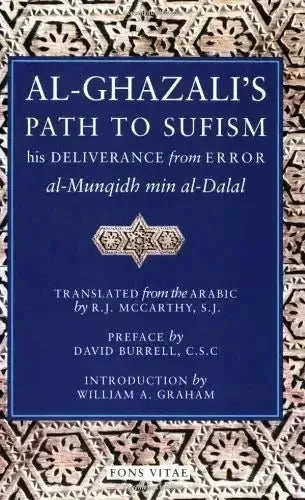
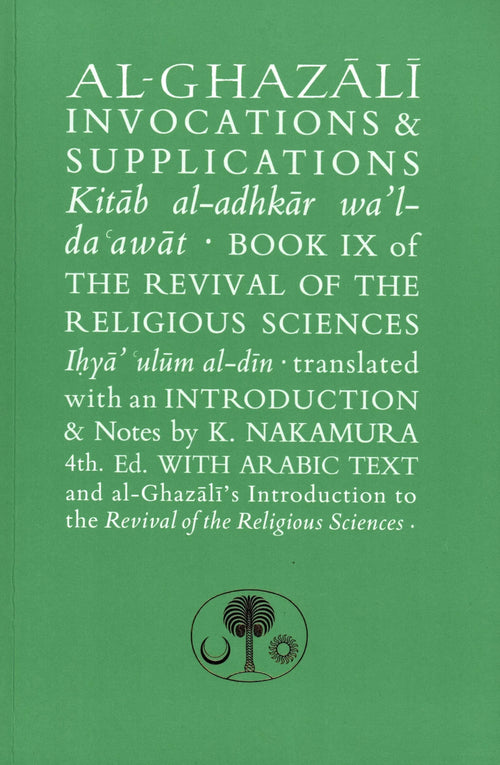
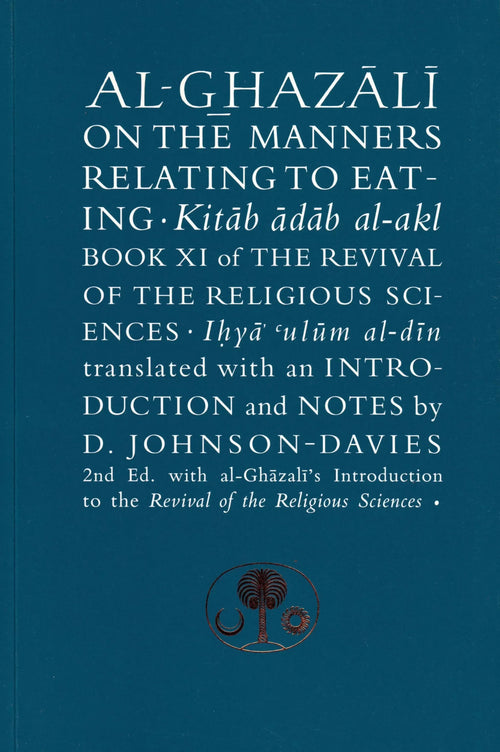
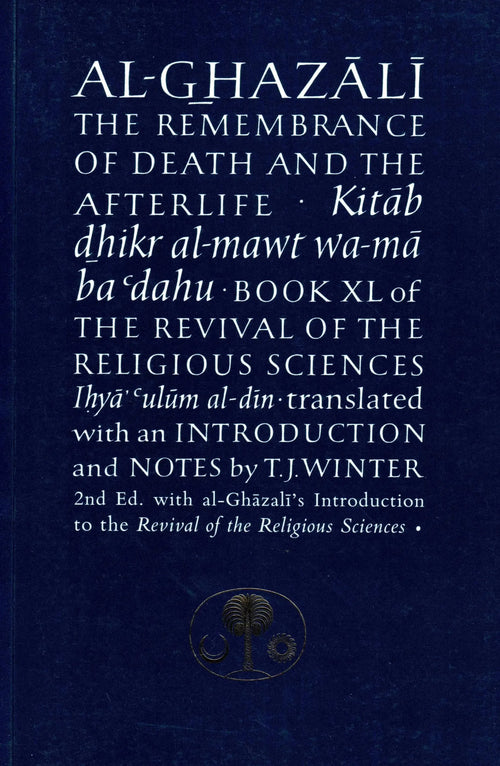
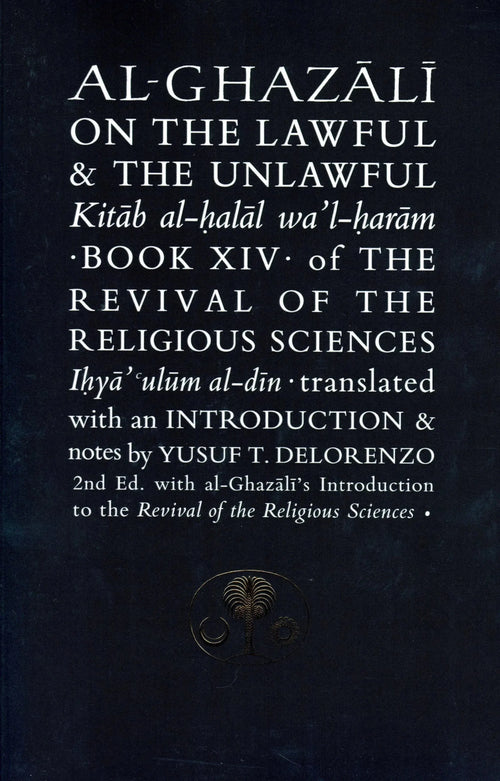
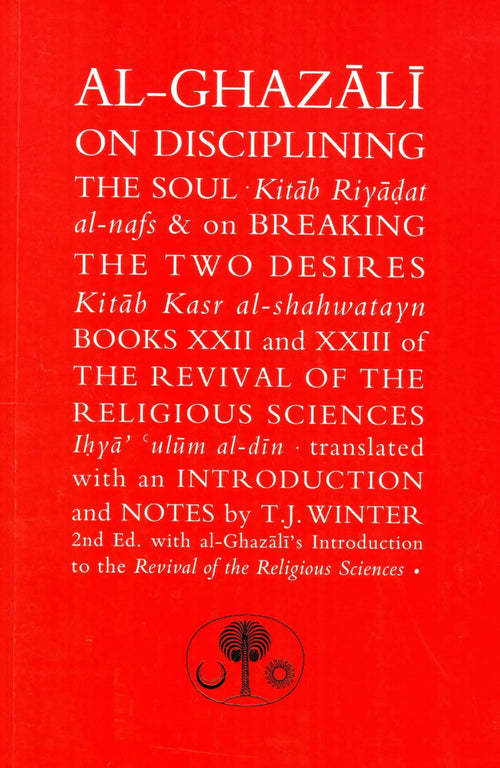
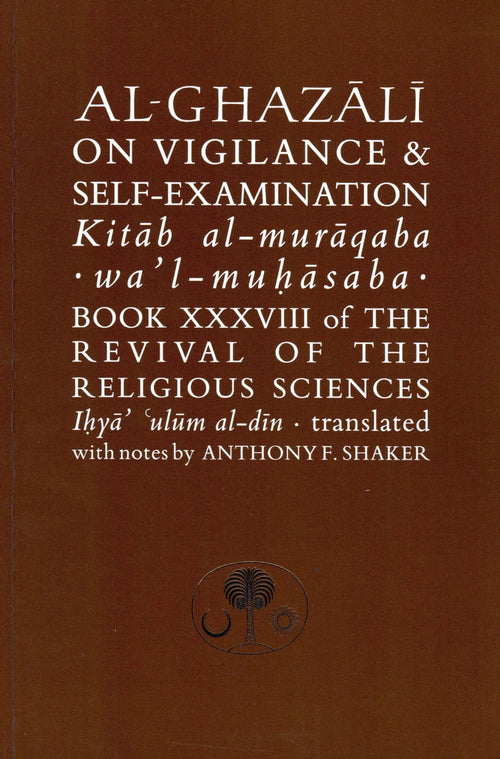
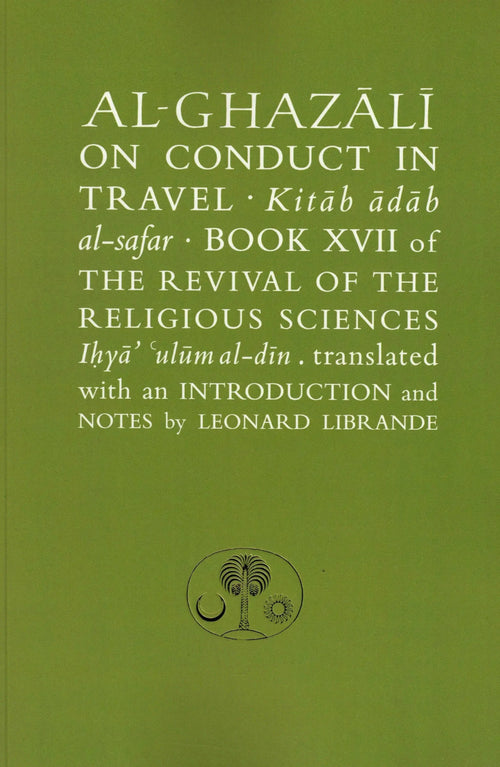
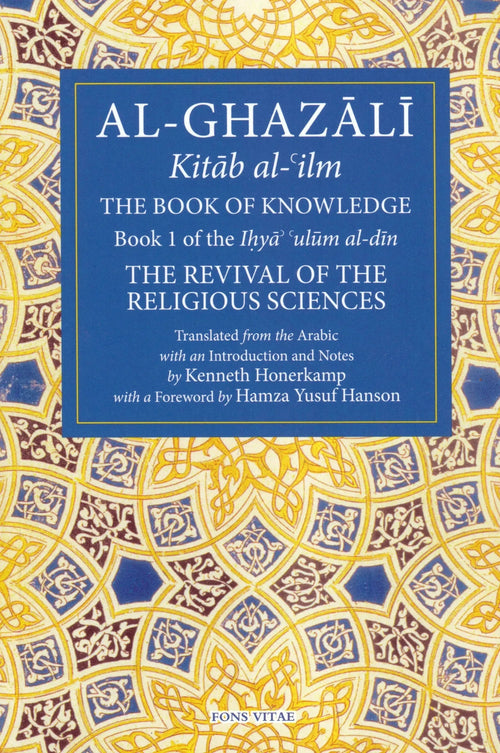
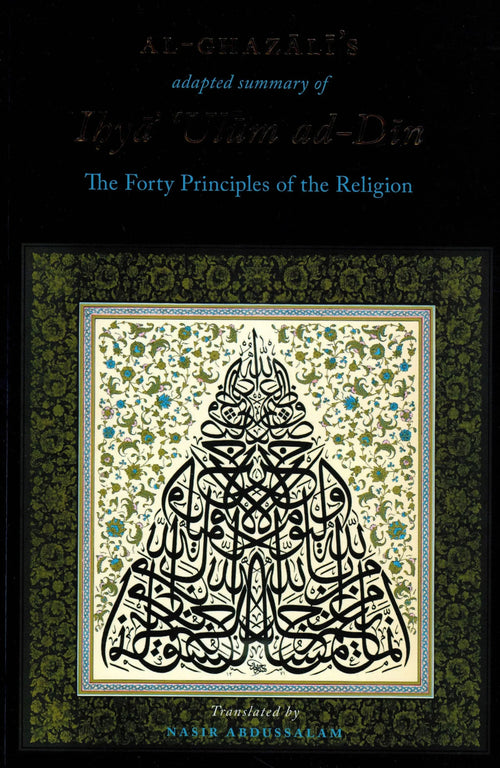
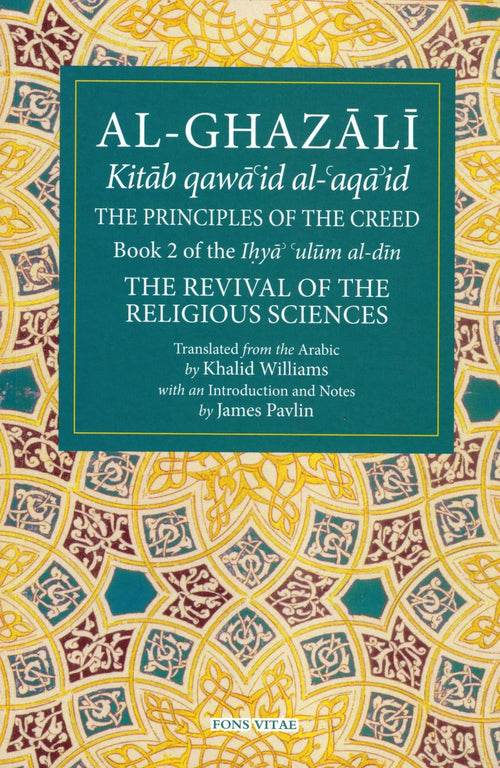
At the height of his fame al-Ghazali passed through a profound spiritual crisis, recounted in his autobiography al-Munqidh min al-Dalal (Deliverance from Error). He abandoned his teaching post, traveled, and devoted years to the inward discipline of the Sufis before returning to instruction with a renewed purpose. His landmark work, Ihyaʾ ʿUlum al-Din (The Revival of the Religious Sciences), reconstructs the religious life across four parts, acts of worship, social custom, the vices that ruin the soul, and the virtues that save it. In philosophy he wrote Tahafut al-Falasifa (The Incoherence of the Philosophers), a careful critique of the Hellenistic thinkers of his age. Bridging law, theology, philosophy, and mysticism, al-Ghazali shaped the direction of Sunni thought for centuries, and his books remain widely read and translated. His many works are available here in English translation.
At the height of his fame al-Ghazali passed through a profound spiritual crisis, recounted in his autobiography al-Munqidh min al-Dalal (Deliverance from Error). He abandoned his teaching post, traveled, and devoted years to the inward discipline of the Sufis before returning to instruction with a renewed purpose. His landmark work, Ihyaʾ ʿUlum al-Din (The Revival of the Religious Sciences), reconstructs the religious life across four parts, acts of worship, social custom, the vices that ruin the soul, and the virtues that save it. In philosophy he wrote Tahafut al-Falasifa (The Incoherence of the Philosophers), a careful critique of the Hellenistic thinkers of his age. Bridging law, theology, philosophy, and mysticism, al-Ghazali shaped the direction of Sunni thought for centuries, and his books remain widely read and translated. His many works are available here in English translation.