م
Home
›
Ibn Arabi
Ibn Arabi محيي الدين محمد بن علي ابن عربي
560-638 AH / 1165-1240 CE
26
Titles in catalogue
About
Muhyi al-Din Muhammad ibn Ali ibn Arabi al-Hatimi al-Taʾi (560-638 AH / 1165-1240 CE) is among the most influential figures in the history of Islamic spirituality, revered by later generations as al-Shaykh al-Akbar, "the Greatest Master." He was born in Murcia in al-Andalus (Muslim Spain) and raised in Seville, where he received a broad education before turning fully to the path of the Sufis as a young man. From the 1190s onward he traveled across the Islamic world, through North Africa to Makka, then Baghdad, Anatolia, and other centers of learning, before settling in Damascus, where he taught, wrote, and was buried.
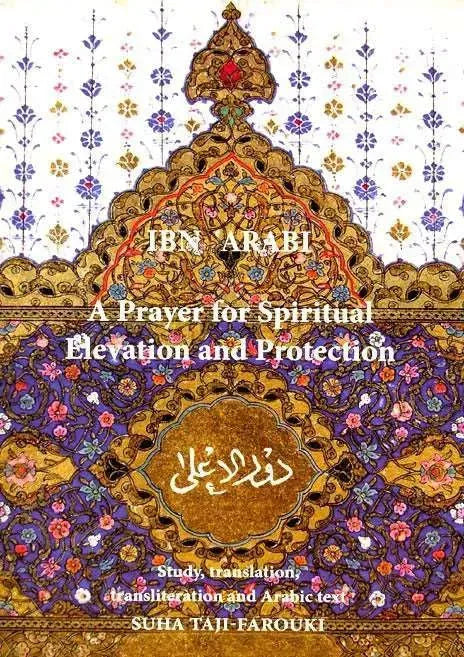
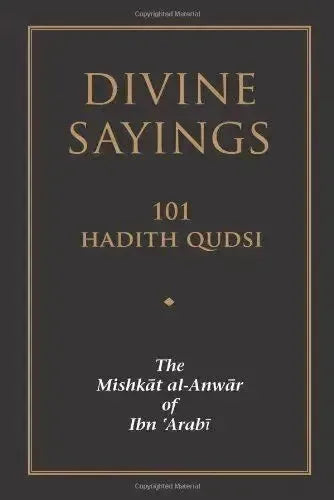
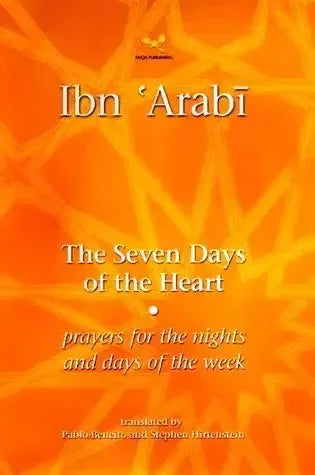
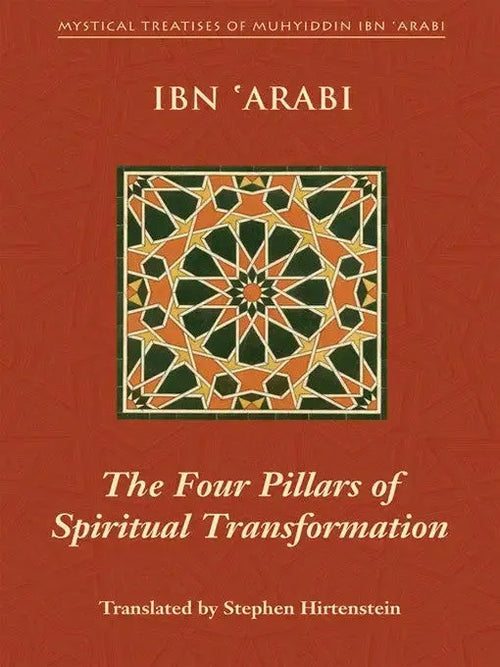
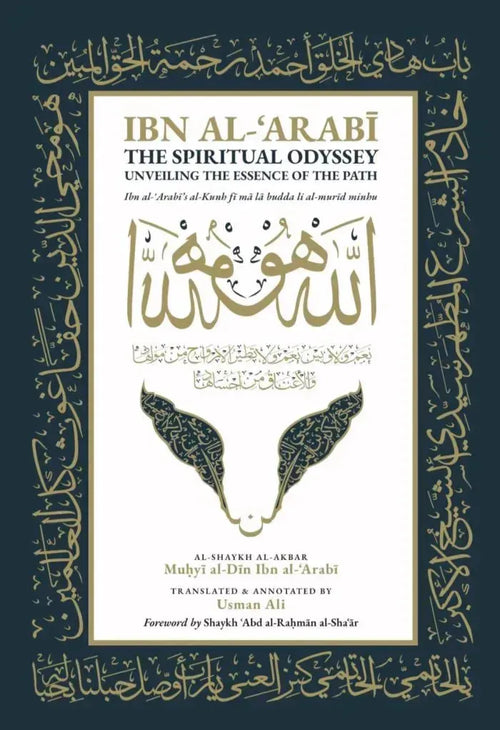
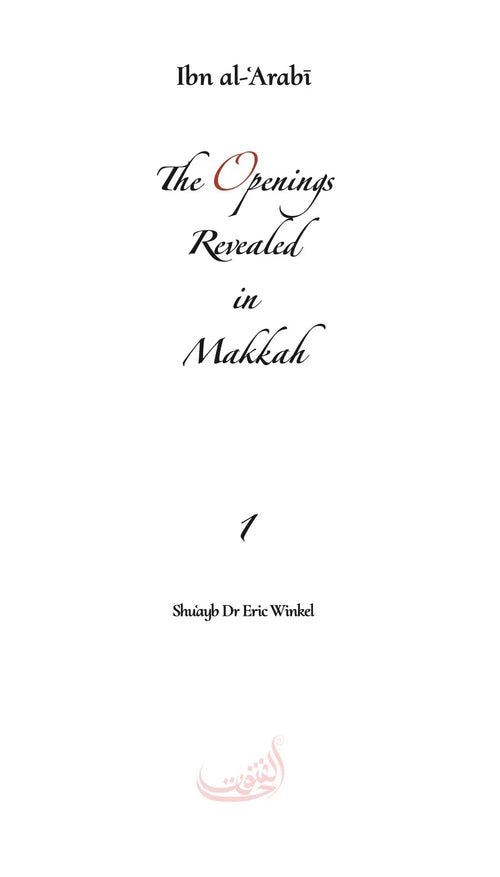
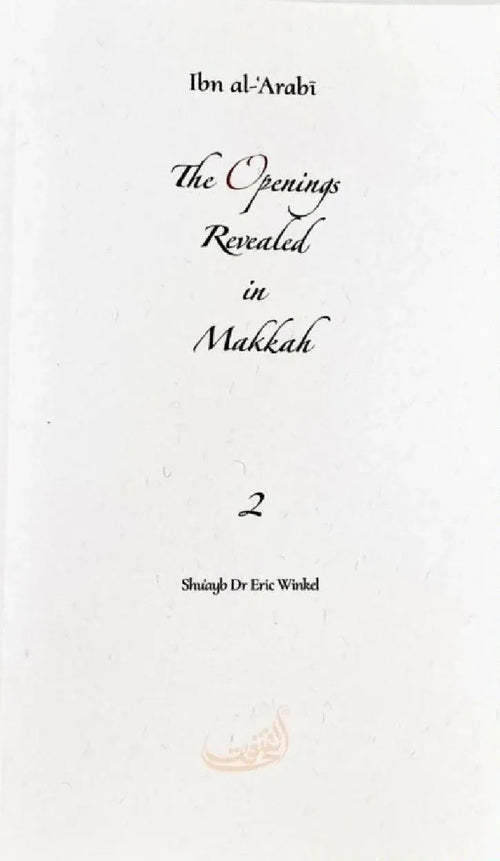
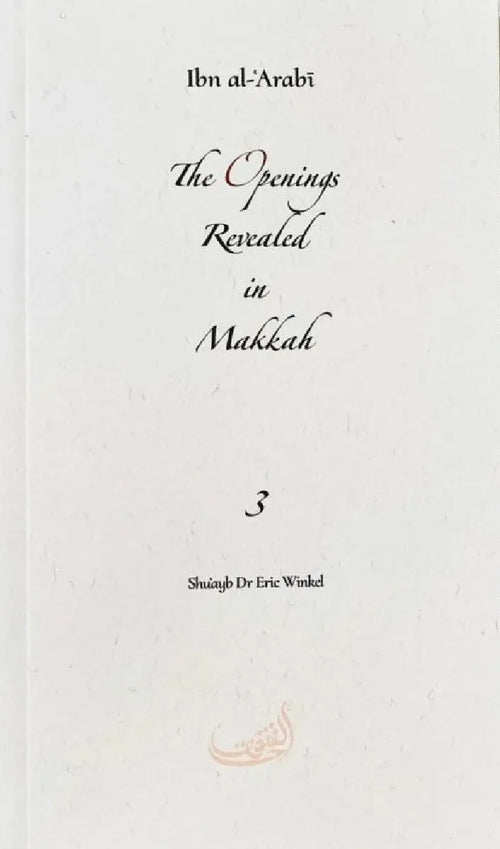
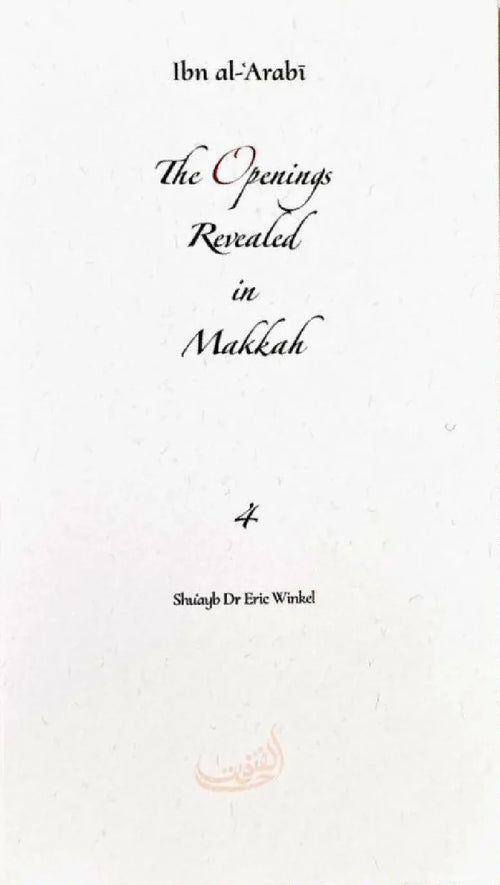
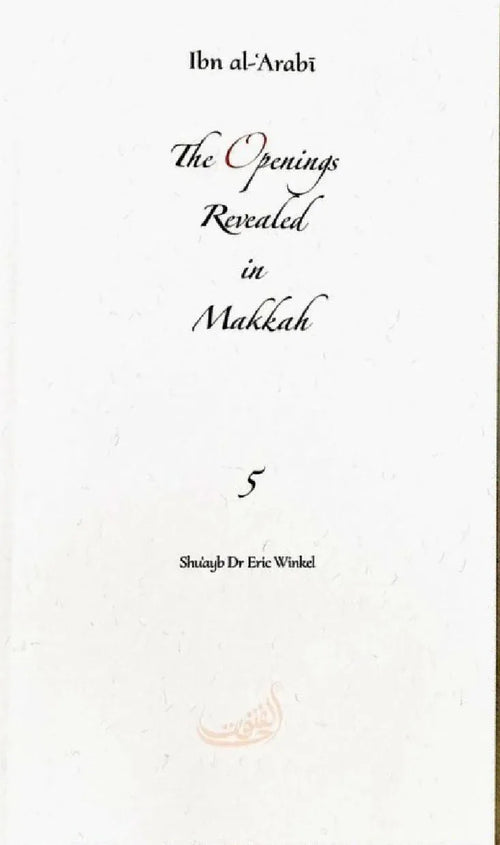
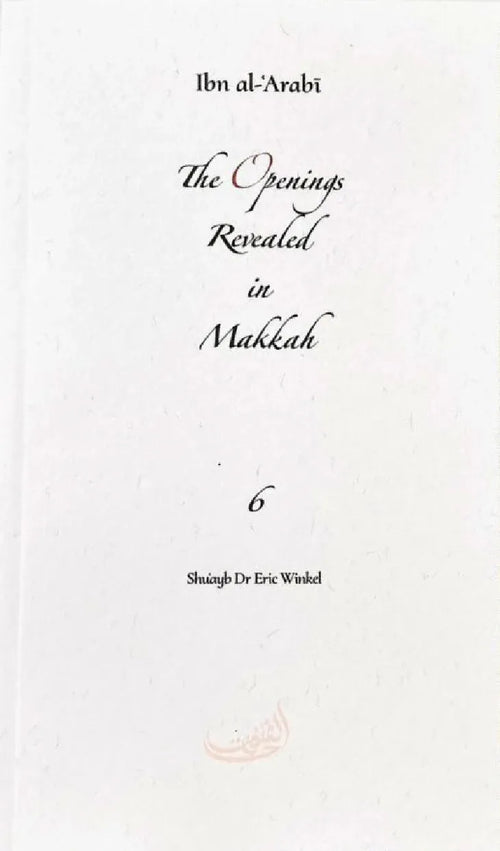
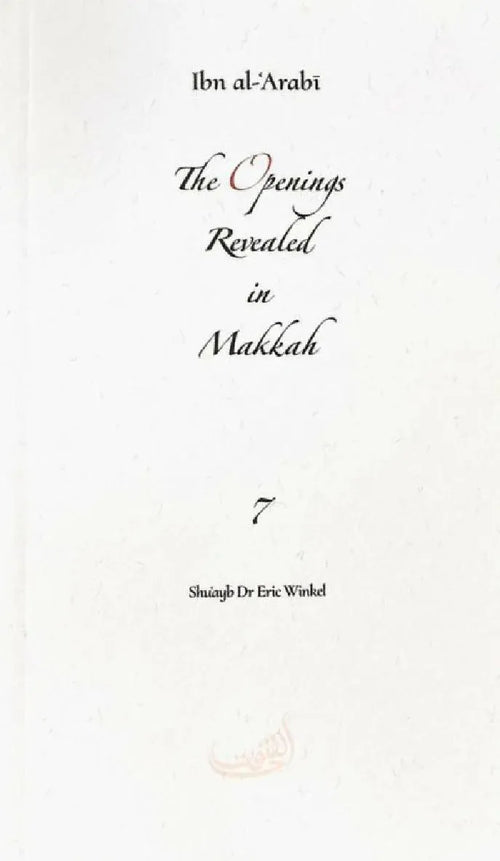
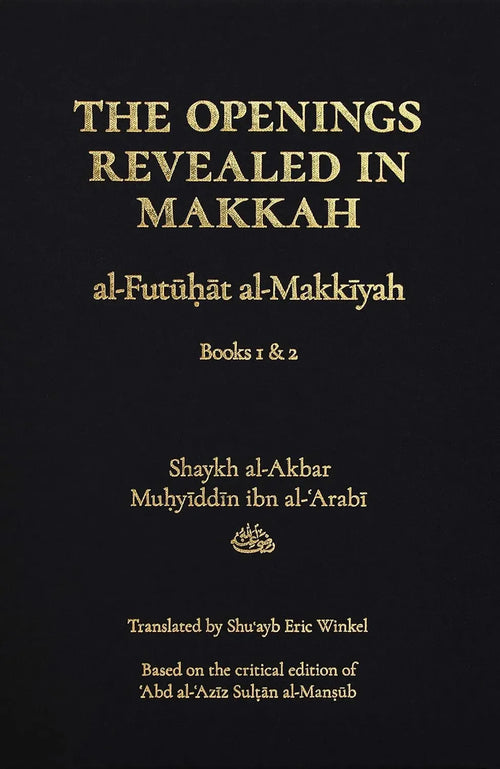
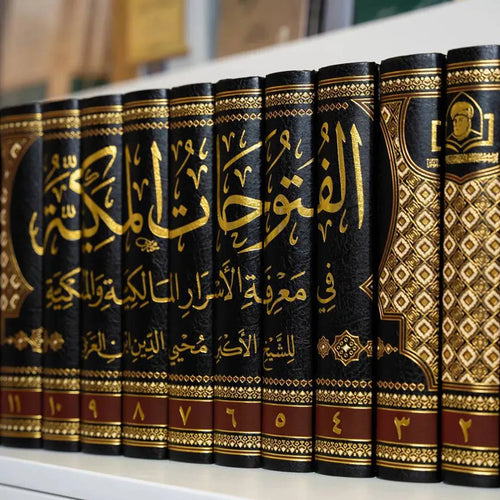
He was one of the most prolific authors of the tradition, and two works stand at the center of his legacy: the monumental al-Futuhat al-Makkiyya ("The Makkan Revelations"), begun in Makka, and Fusus al-Hikam ("The Bezels of Wisdom"), a concentrated meditation on wisdom as embodied in the prophets. His articulation of the unity of being (wahdat al-wujud) and of the Perfect Human (al-insan al-kamil), in whom the divine names are fully realized, reshaped metaphysics, poetry, and devotion from the Maghrib to South and Central Asia. Alongside these great treatises he left prayers, litanies, and contemplative manuals, several of which appear here in English, that continue to nourish seekers today.
He was one of the most prolific authors of the tradition, and two works stand at the center of his legacy: the monumental al-Futuhat al-Makkiyya ("The Makkan Revelations"), begun in Makka, and Fusus al-Hikam ("The Bezels of Wisdom"), a concentrated meditation on wisdom as embodied in the prophets. His articulation of the unity of being (wahdat al-wujud) and of the Perfect Human (al-insan al-kamil), in whom the divine names are fully realized, reshaped metaphysics, poetry, and devotion from the Maghrib to South and Central Asia. Alongside these great treatises he left prayers, litanies, and contemplative manuals, several of which appear here in English, that continue to nourish seekers today.