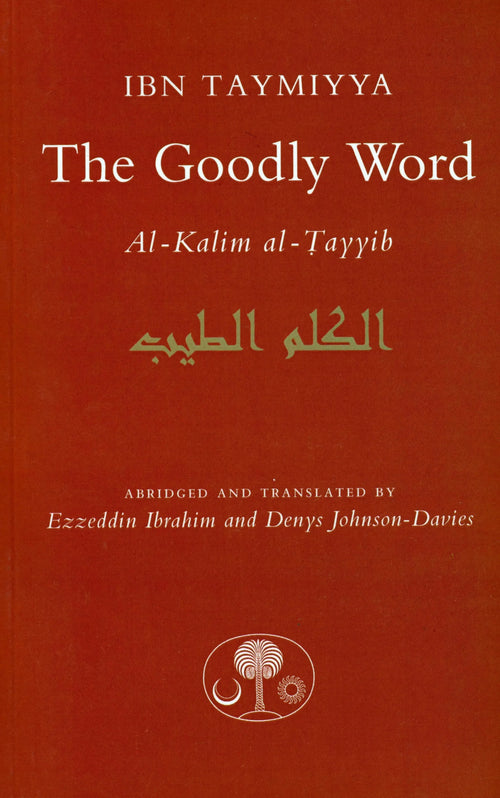
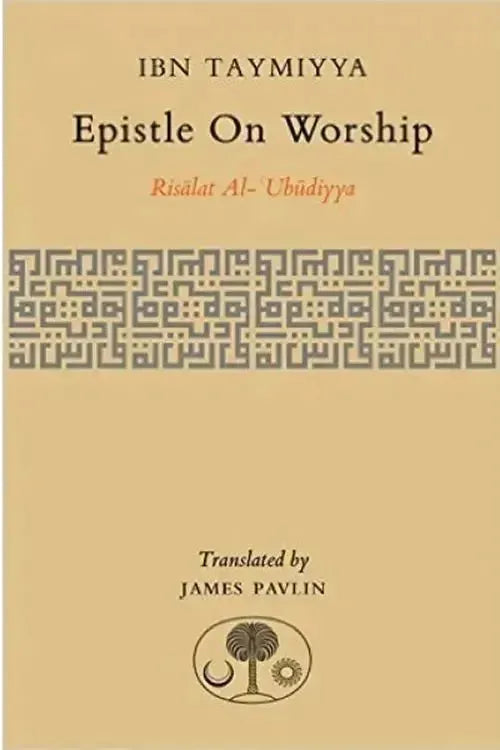
About
Taqi al-Din Ahmad ibn Abd al-Halim ibn Taymiyya (661-728 AH / 1263-1328 CE) was a Hanbali jurist, theologian, and one of the most prolific and contested writers of the later medieval period. He was born in Harran into a family of established Hanbali scholars. When the Mongols threatened the region, his family fled to Damascus, where his father directed the Sukkariyya madrasa. Ibn Taymiyya memorized the Qurʾan early, studied widely across law, hadith, theology, and the rational sciences, and took over his father's teaching post at twenty-one. He was Hanbali in law and well known for his criticism of much of the speculative theology (kalam) of his time, calling for a return to the Qurʾan, the Sunna, and the understanding of the early generations (the salaf). Outspoken and often confrontational, he was drawn into repeated disputes over creed and practice and was imprisoned several times in Damascus, Cairo, and Alexandria. He died in 728 AH / 1328 CE while confined in the citadel of Damascus. His writings, including treatises on worship and the inner life such as Al-ʿUbudiyya, have been widely translated and remain influential, though his positions have long been the subject of vigorous scholarly debate.
Every edition we carry
5 titles