م
About
Malik ibn Anas (93-179 AH / 711-795 CE) was the jurist and hadith master of Madina, honored as the Imam of the Abode of Emigration (Imam Dar al-Hijra). He passed nearly his whole life in the Prophet's city, studying under its leading scholars and in turn teaching from a celebrated circle near the Prophet's mosque, where students came from across the Muslim world. A defining feature of his thought was the weight he gave to the practice of the people of Madina (ʿamal ahl al-Madina), which he treated as a faithful transmission of the Sunna preserved generation after generation.
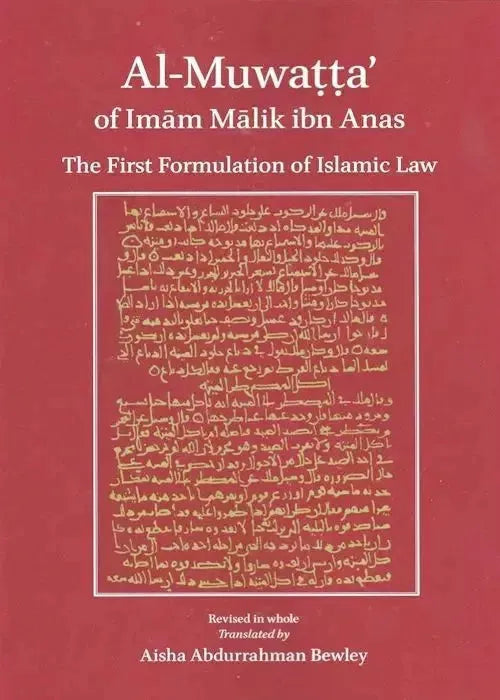
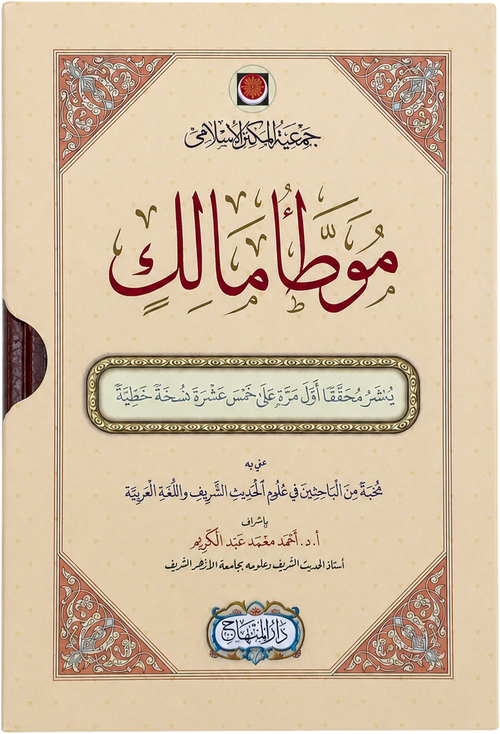
His enduring work is al-Muwattaʾ, among the earliest surviving books of hadith and law. It gathers Prophetic reports together with the rulings of the Companions and Successors and the settled custom of Madina, arranged by chapters of jurisprudence. Several recensions were transmitted by his students; the one read most widely today is the riwaya of Yahya ibn Yahya al-Laythi al-Andalusi. Al-Shafiʿi, who studied under him, famously praised the book.
From his teaching grew the Maliki school, one of the four enduring Sunni schools of law, which spread to take deep root across North and West Africa, al-Andalus, and parts of the Arab world, where it remains the dominant madhhab to this day. He is remembered for his caution in giving fatwa, his reverence for hadith, and his lasting shaping of Sunni legal tradition.
His enduring work is al-Muwattaʾ, among the earliest surviving books of hadith and law. It gathers Prophetic reports together with the rulings of the Companions and Successors and the settled custom of Madina, arranged by chapters of jurisprudence. Several recensions were transmitted by his students; the one read most widely today is the riwaya of Yahya ibn Yahya al-Laythi al-Andalusi. Al-Shafiʿi, who studied under him, famously praised the book.
From his teaching grew the Maliki school, one of the four enduring Sunni schools of law, which spread to take deep root across North and West Africa, al-Andalus, and parts of the Arab world, where it remains the dominant madhhab to this day. He is remembered for his caution in giving fatwa, his reverence for hadith, and his lasting shaping of Sunni legal tradition.
Every edition we carry
4 titles