م
About
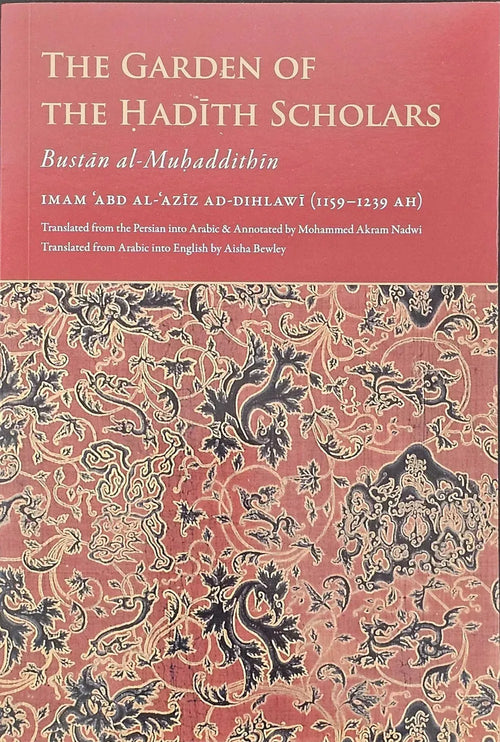
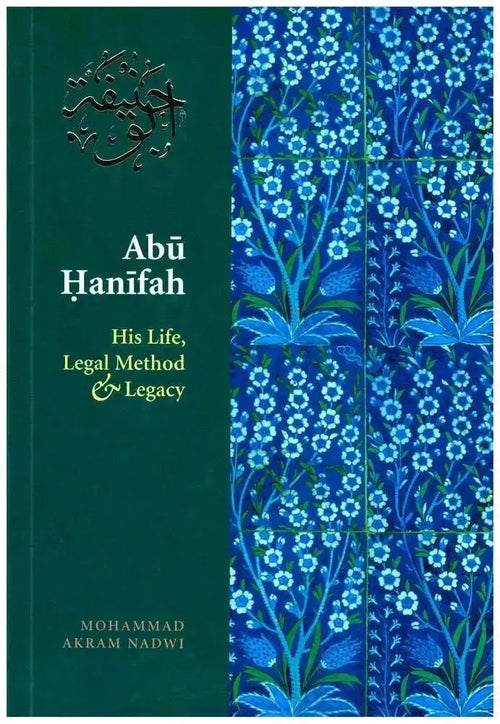
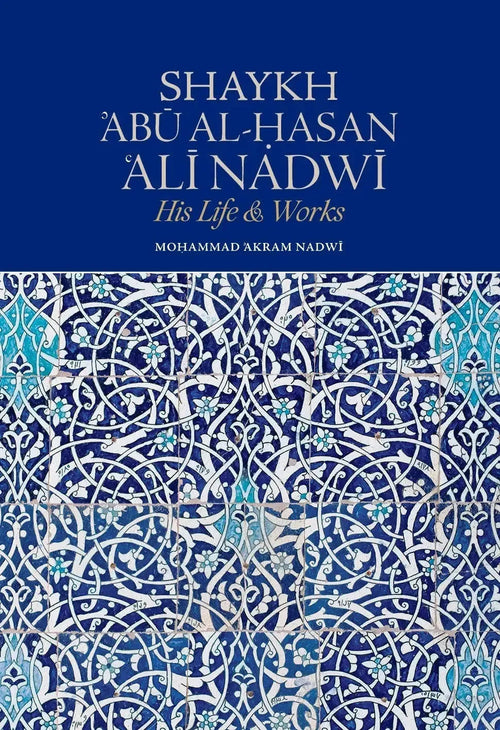
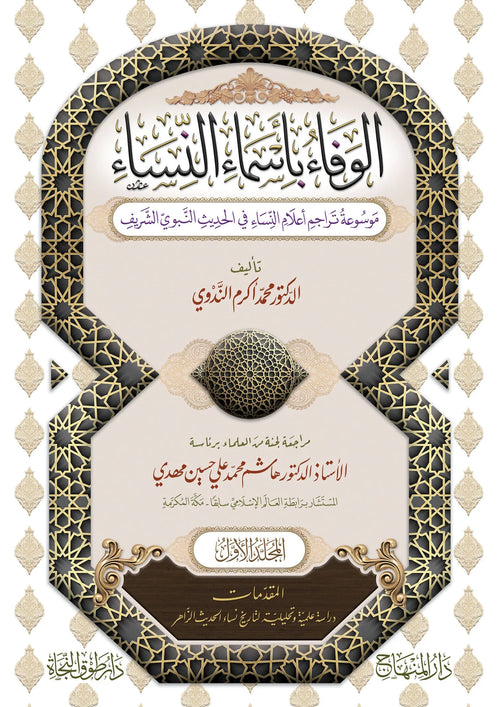
Mohammad Akram Nadwi (b. c. 1963 CE), born in Jaunpur, Uttar Pradesh, India, is a contemporary British Islamic scholar working in the Hanafi tradition. He received his classical training at the Nadwat al-ʿUlama in Lucknow, the institution associated with his teacher Shaykh Abu al-Hasan ʿAli Nadwi, completing the ʿalimiyya degree and a master's in hadith studies, and went on to earn a doctorate in Arabic literature from Lucknow University. In 1989 he moved to England as a research fellow at the Oxford Centre for Islamic Studies, a post he held until 2013, when he left to concentrate on his own writing and teaching. His specialties span hadith, Islamic jurisprudence, Qurʾanic studies, and Arabic grammar. He is best known for al-Wafaʾ bi Asmaʾ al-Nisaʾ, a multivolume biographical dictionary documenting thousands of women scholars and narrators of hadith across Islamic history, a labor of many years whose findings he introduced to English readers in al-Muhaddithat: The Women Scholars in Islam. His other works include a study of Abu Hanifa's life and legal method, the multivolume al-Fiqh al-Islami on Hanafi law, a translation of Bustan al-Muhaddithin, and a biography of Abu al-Hasan ʿAli Nadwi. He directs research at the ASI Research Centre and serves as principal of Al-Salam Institute and dean of Cambridge Islamic College.