ج
About
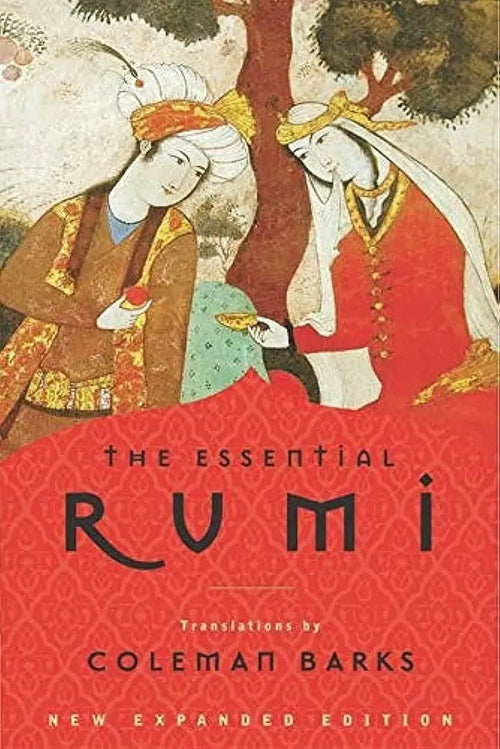
Jalal al-Din Muhammad Rumi (604–672 AH / 1207–1273 CE), known across the Persian world as Mawlana ("our master"), was a poet, Hanafi jurist, and Sufi master whose verse remains among the most beloved in any language. He was born in the region of Balkh in greater Khurasan, then a center of Islamic learning, and as a boy traveled west with his family, the scholar Baha al-Din Walad among them, as the Mongol armies advanced. After years of movement they settled in Konya, in Seljuk Anatolia (the land the Arabs called Rum, hence "Rumi"), where he became a respected teacher of law and theology.
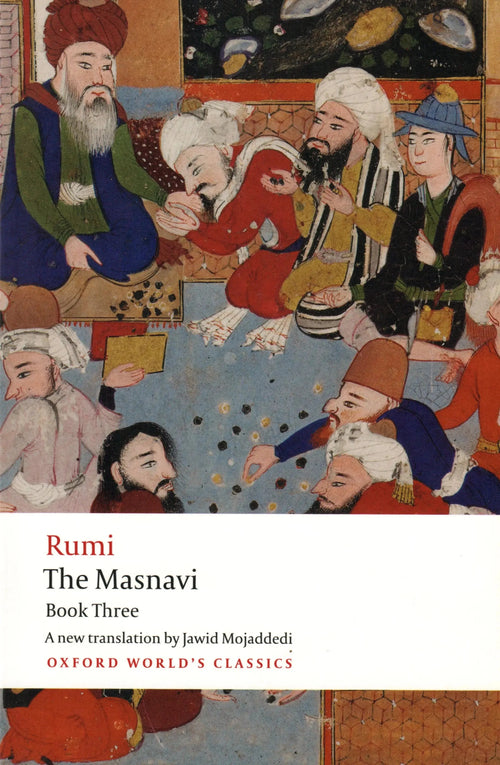
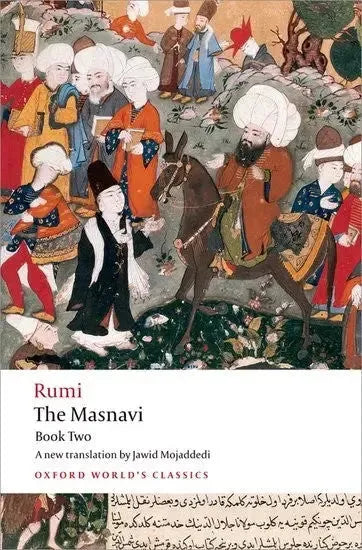
His life changed in 1244 with the arrival of the wandering dervish Shams of Tabriz. Their intense companionship, and the grief of Shams's later disappearance, awakened in Rumi a torrent of poetry. From this came the Divan-i Shams-i Tabrizi, his collection of lyric odes, and above all the Masnavi (Mathnawi-yi Maʿnawi), a six-book spiritual epic of some 25,000 couplets weaving Qurʾan, hadith, parable, and teaching into a single tapestry, long honored as "the Qurʾan in the Persian tongue."
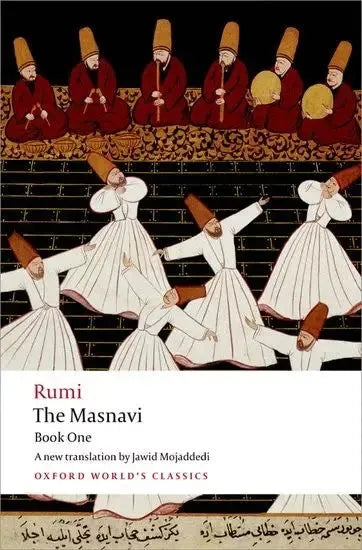
Rumi died in Konya in 1273. From his circle arose the Mevlevi (Mawlawiyya) order, the "whirling dervishes," whose turning dance embodies his vision of love as the path to the Divine. His influence on Islamic spirituality and on world literature endures to this day.
His life changed in 1244 with the arrival of the wandering dervish Shams of Tabriz. Their intense companionship, and the grief of Shams's later disappearance, awakened in Rumi a torrent of poetry. From this came the Divan-i Shams-i Tabrizi, his collection of lyric odes, and above all the Masnavi (Mathnawi-yi Maʿnawi), a six-book spiritual epic of some 25,000 couplets weaving Qurʾan, hadith, parable, and teaching into a single tapestry, long honored as "the Qurʾan in the Persian tongue."
Rumi died in Konya in 1273. From his circle arose the Mevlevi (Mawlawiyya) order, the "whirling dervishes," whose turning dance embodies his vision of love as the path to the Divine. His influence on Islamic spirituality and on world literature endures to this day.