


About The Book
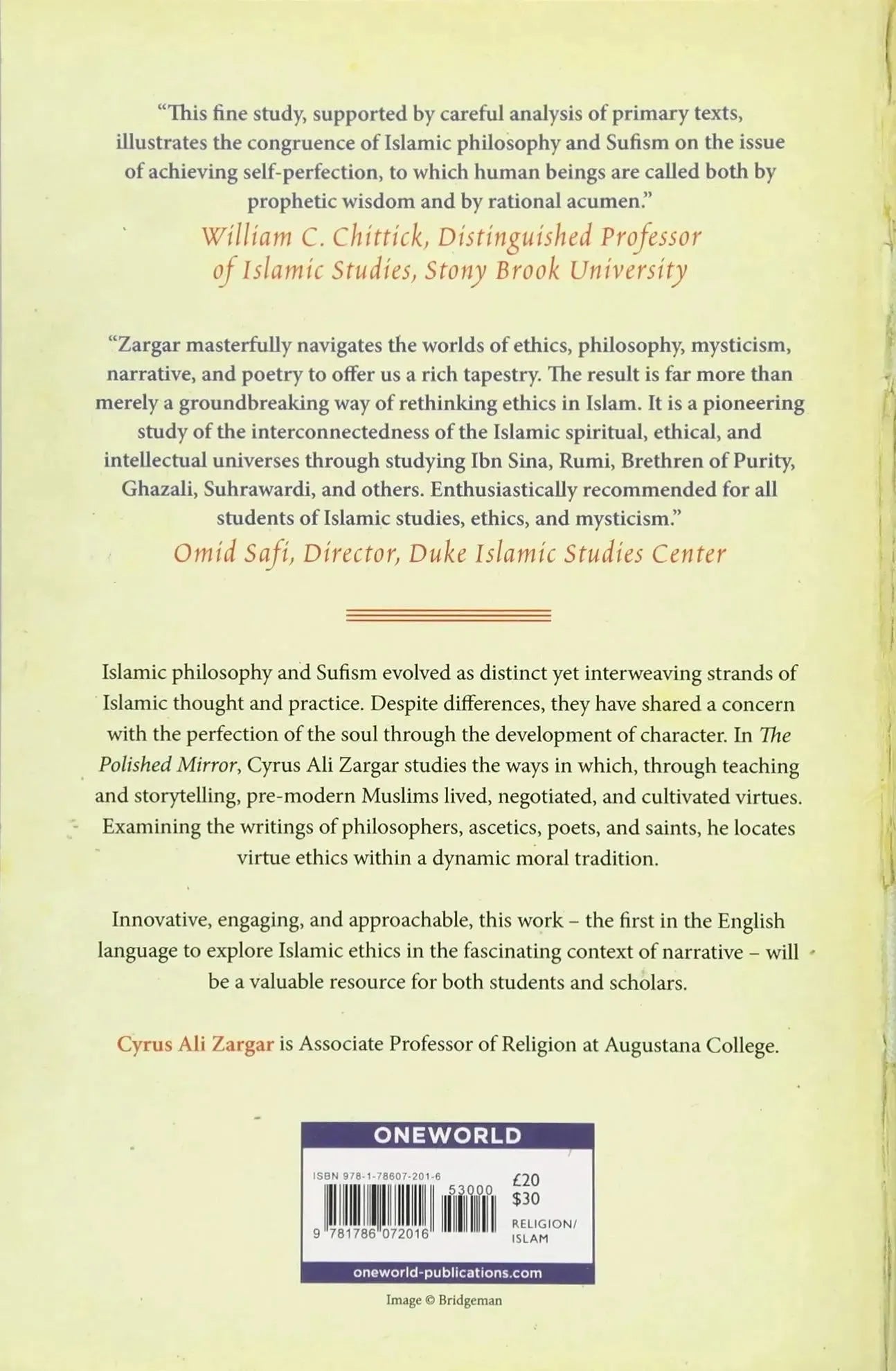
Islamic philosophy and Sufism evolved as distinct yet interweaving strands of Islamic thought and practice. Despite differences, they have shared a concern with the perfection of the soul through the development of character.
In The Polished Mirror, Cyrus Ali Zargar studies the ways in which, through teaching and storytelling, pre-modern Muslims lived, negotiated, and cultivated virtues. Examining the writings of philosophers, ascetics, poets, and saints, he locates virtue ethics within a dynamic moral tradition.
Innovative, engaging, and approachable, this work - the first in the English language to explore Islamic ethics in the fascinating context of narrative - will be a valuable resource for both students and scholars.
CONTENTS
List of Illustrations
Introduction
Part One Islamic Philosophy
Chapter One The Humors (al-akhlāṭ) and Character Traits (al-akhlāq) According to the Brethren of Purity
Chapter Two Virtue Ethics in Avicenna's Philosophical Allegories
Chapter Three The Virtues, from Philosophy to Scripture: Refining Character Traits in Miskawayh and Ghazālī
Chapter Four Reason, Revelation, and Discovering the Virtuous in Ibn Ṭufayl's Literary Thought Experiment
Chapter Five From Humors to Pure Light: Knowledge and Virtue in the Allegories of Suhrawardī
Part Two Sufism
Chapter Six The Soul's Constant Returning: Repentance (Tawba) in the Sufi Legacy of Jaʿfar al-Ṣādiq
Chapter Seven Distancing Oneself from the Worldly: Renunciation (Zuhd) According to al-Muḥāsibī and al-Sarrāj
Chapter Eight Self-Awareness that Leads to Self-Loss: Futuwwa as a Compound Virtue in the Legacy of Anṣārī
Chapter Nine The Completion of Ethics: Self-Annihilation (Fanāʾ) Through the Lens of ʿAṭṭār
Chapter Ten Virtue in the Narrative Poetry of Rūmī
Conclusion A Brief Case for Relevance
Acknowledgments
Bibliography
Index


