أ
Home
›
Abu Abdullah Muhammad al-Qurtubi
Abu Abdullah Muhammad al-Qurtubi أبو عبد الله محمد بن أحمد الأنصاري القرطبي
d. 671 AH / 1273 CE
8
Titles in catalogue
About
Al-Qurtubi (d. 671 AH / 1273 CE), in full Abu Abdullah Muhammad ibn Ahmad al-Ansari al-Khazraji al-Qurtubi, was among the foremost Qurʾan commentators of the Muslim West. He was born in Cordoba in al-Andalus and trained there in the religious sciences, Maliki in law and Ashʿari in creed, with deep command of tafsir, hadith, the canonical readings (qiraʾat), and Arabic grammar. After the Christian conquest of Cordoba he migrated eastward, eventually settling at Munyat Ibn Khasib in Upper Egypt, where he passed his remaining years in worship, scholarship, and a noted disdain for worldly honors.
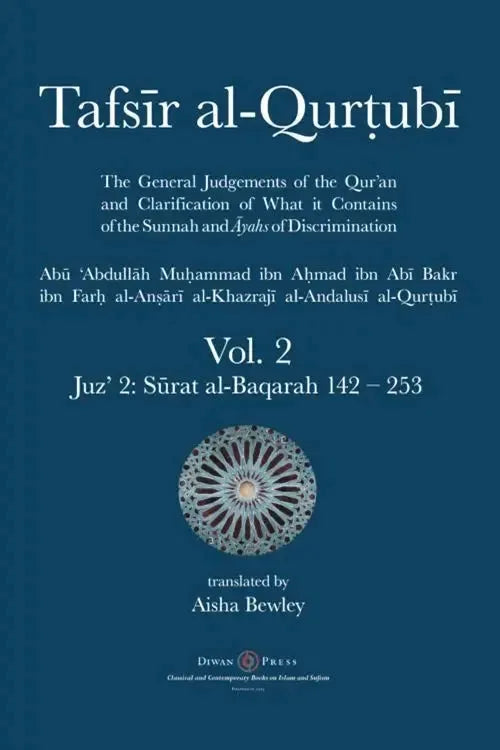
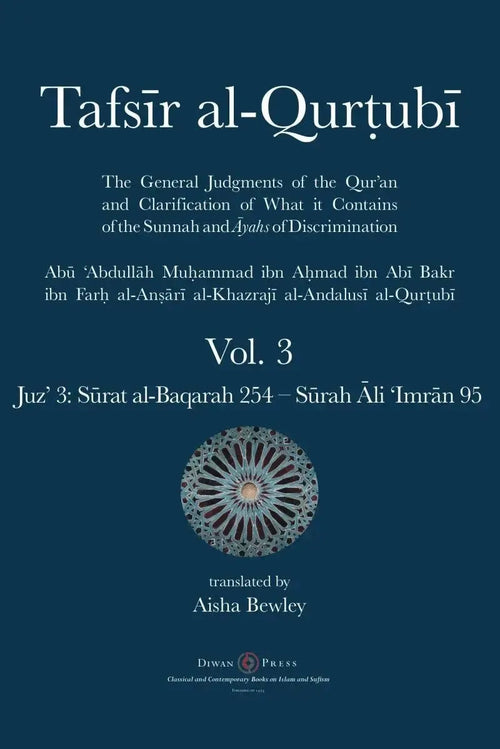
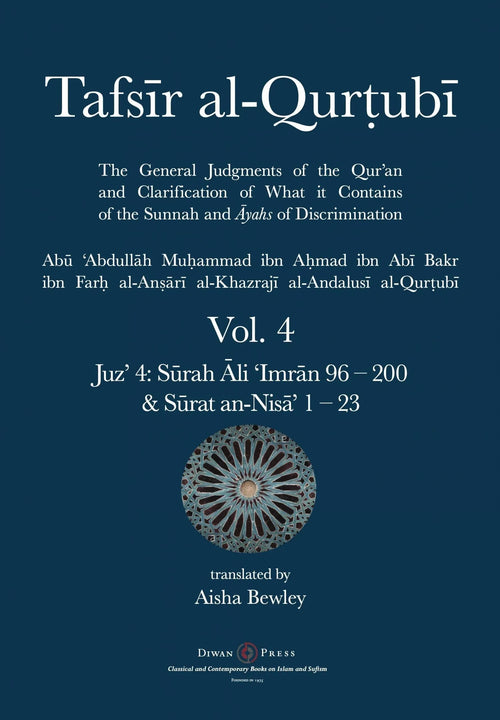
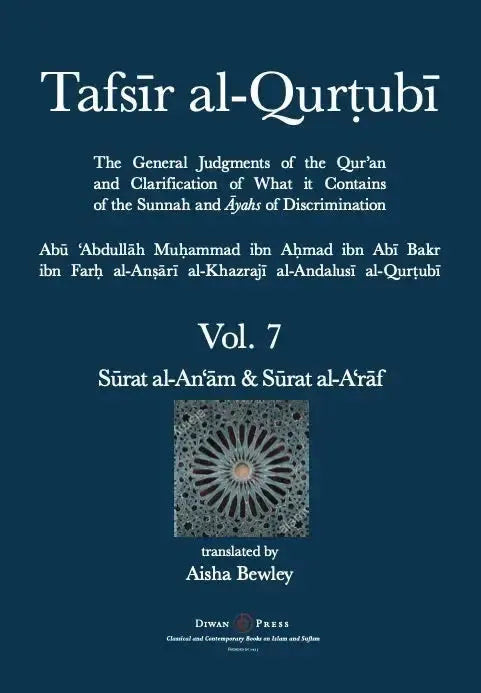
His landmark work is al-Jamiʿ li-Ahkam al-Qurʾan, universally known as Tafsir al-Qurtubi, a vast commentary in some twenty volumes. Unlike commentaries crowded with narrative and history, al-Qurtubi concentrated on the legal rulings derived from the Qurʾan and how scholars inferred them, while also treating variant readings, grammar, and the science of abrogation (nasikh wa mansukh). It remains one of the most consulted classical tafsirs to this day. He is also remembered for al-Tadhkira fi ahwal al-mawta wa-umur al-akhira, an influential treatise on death, the grave, and the events of the hereafter, and is credited with a commentary on the Beautiful Names of God. He died and was buried in Egypt.
His landmark work is al-Jamiʿ li-Ahkam al-Qurʾan, universally known as Tafsir al-Qurtubi, a vast commentary in some twenty volumes. Unlike commentaries crowded with narrative and history, al-Qurtubi concentrated on the legal rulings derived from the Qurʾan and how scholars inferred them, while also treating variant readings, grammar, and the science of abrogation (nasikh wa mansukh). It remains one of the most consulted classical tafsirs to this day. He is also remembered for al-Tadhkira fi ahwal al-mawta wa-umur al-akhira, an influential treatise on death, the grave, and the events of the hereafter, and is credited with a commentary on the Beautiful Names of God. He died and was buried in Egypt.