أ
Home
›
Ahmad ibn Ajiba
Ahmad ibn Ajiba أحمد بن محمد بن عجيبة الحسني
1160-1224 AH / 1747-1809 CE
12
Titles in catalogue
About
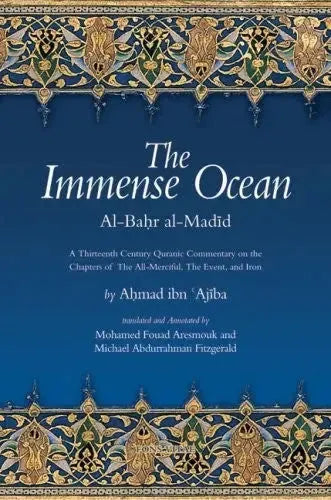
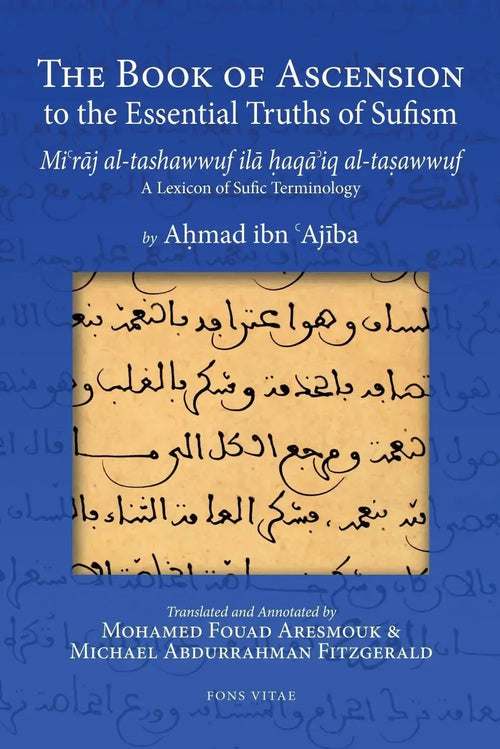
A Moroccan scholar, Sufi, and poet, Ahmad ibn Ajiba (1160-1224 AH / 1747-1809 CE) was born in the village of Khamis near Tetouan into a sharifian family of the Anjra tribe along Morocco's Mediterranean coast. A precocious student, he memorized the Qurʾan young and went on to study Arabic grammar, recitation, exegesis, and the religious sciences, first under Muhammad al-Susi al-Samlali and later in Fez under such masters as al-Tawudi ibn Suda. Maliki in law and Ashʿari in creed, he was above all a teacher of the inward sciences, entering the Shadhili-Darqawi order in 1208 AH / 1793 CE through the renewer Mawlay al-Arabi al-Darqawi and serving as a guide in the northern Jbala. His writings, more than thirty in number, range across Qurʾanic exegesis, Sufism, language, and poetry. He is best remembered for al-Bahr al-Madid (The Immense Ocean), a complete Qurʾanic tafsir that weaves together outward legal meaning and inward spiritual allusion, and for Iqaz al-himam, his much-loved commentary on the Hikam of Ibn ʿAtaʾ Allah al-Iskandari. His Miʿraj al-tashawwuf offers a lexicon of Sufi terms, and his autobiography, the Fahrasa, gives a vivid portrait of scholarly life in Tetouan. He died of the plague there in 1224 AH / 1809 CE.