H
About
Husain Abdul Sattar (b. 1972 CE) is an American scholar and physician based in Chicago, known for joining traditional Islamic learning to a distinguished medical career. As an undergraduate at the University of Chicago he studied Biology, Arabic, and Islamic Civilization, then trained at its Pritzker School of Medicine. He became a professor of pathology and a practicing surgical pathologist, and is widely recognized in medical education for his textbook Fundamentals of Pathology and the Pathoma course used by students worldwide.
Alongside this professional path, he devoted decades to the Islamic sciences. He studied Arabic grammar (nahw), Hanafi jurisprudence (fiqh), and the principles of jurisprudence with scholars in Chicago, and from 1994 pursued the discipline of tasawwuf, traveling to Syria and to Pakistan, where he undertook a traditional curriculum at Jamia Faridia in Islamabad. He received authorization to teach tasawwuf in 2001.
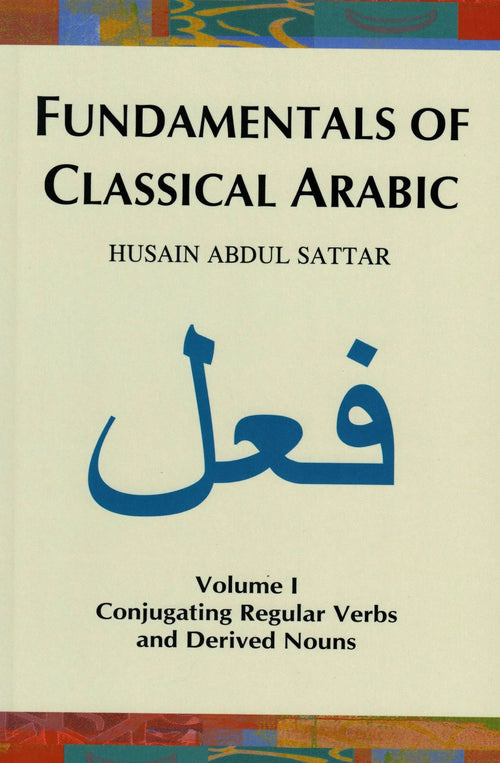
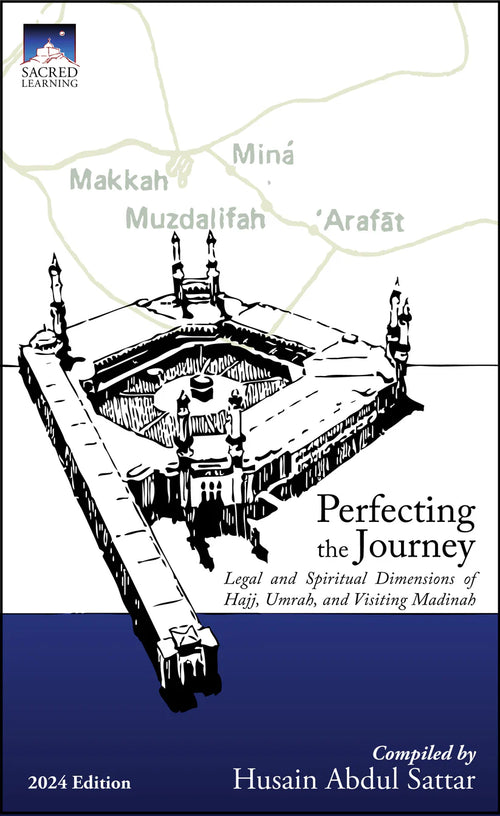
He follows the Hanafi school in law. He founded Sacred Learning, an institution centered on the purification of the soul, and teaches and lectures across the United States. His written works, including the Fundamentals of Classical Arabic series and guides to Hajj, dhikr, and acts of worship, are valued for presenting the methods of the classical scholars in clear, practical form for English-speaking students.
Alongside this professional path, he devoted decades to the Islamic sciences. He studied Arabic grammar (nahw), Hanafi jurisprudence (fiqh), and the principles of jurisprudence with scholars in Chicago, and from 1994 pursued the discipline of tasawwuf, traveling to Syria and to Pakistan, where he undertook a traditional curriculum at Jamia Faridia in Islamabad. He received authorization to teach tasawwuf in 2001.
He follows the Hanafi school in law. He founded Sacred Learning, an institution centered on the purification of the soul, and teaches and lectures across the United States. His written works, including the Fundamentals of Classical Arabic series and guides to Hajj, dhikr, and acts of worship, are valued for presenting the methods of the classical scholars in clear, practical form for English-speaking students.