م
Home
›
Ibn Qayyim al-Jawziyya
Ibn Qayyim al-Jawziyya محمد بن أبي بكر بن قيم الجوزية
691-751 AH / 1292-1350 CE
6
Titles in catalogue
About
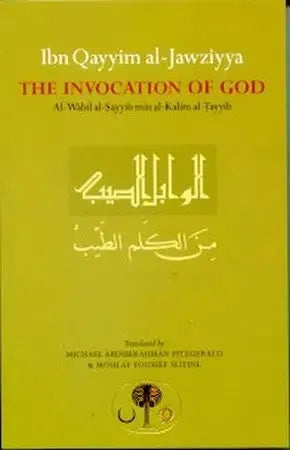
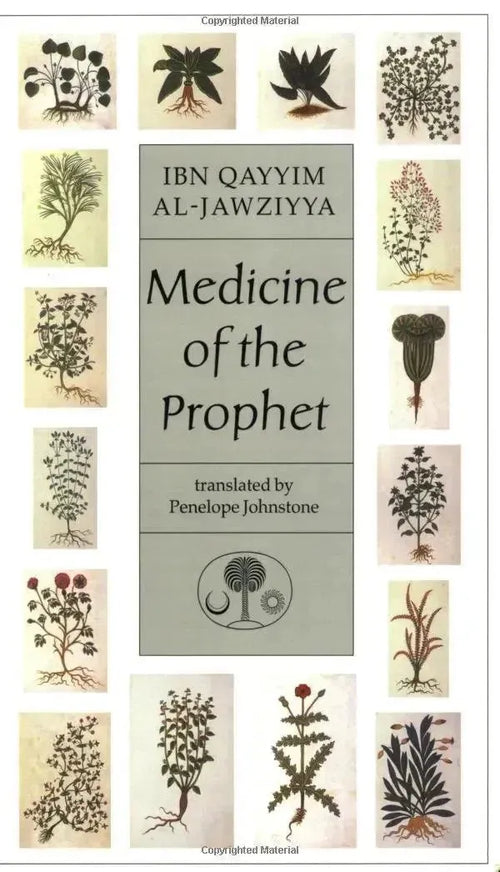
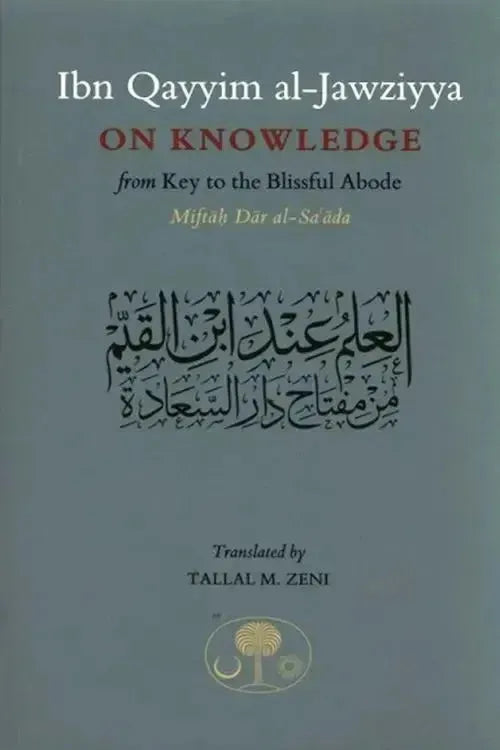
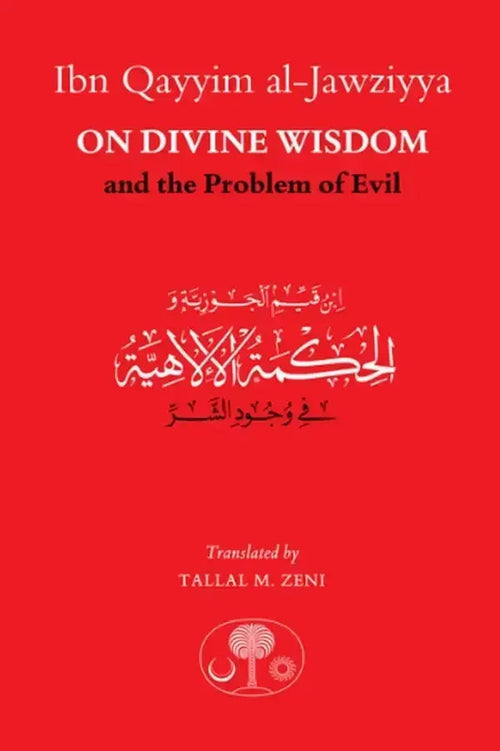
Muhammad ibn Abi Bakr ibn Ayyub, known as Ibn Qayyim al-Jawziyya (691-751 AH / 1292-1350 CE), was born near Damascus, where his father served as the attendant, or qayyim, of the al-Jawziyya school, the office that gave him his name. He studied the religious sciences in the city and, from around 712 AH, joined the circle of Ibn Taymiyya, becoming his closest disciple over roughly sixteen years. The two were persecuted together and imprisoned in the citadel of Damascus, and Ibn al-Qayyim went on to teach and write prolifically until his death in 751 AH. Hanbali in law, he ranged widely across Qurʾanic exegesis, hadith, legal theory, theology, and what would now be called spiritual psychology. His landmark Madarij al-Salikin is a vast commentary on the stations of the seeker; Zad al-Maʿad gathers the Prophet's guidance in worship and daily life; and al-Tibb al-Nabawi, his treatise on Prophetic medicine, remains widely read. Other works include Kitab al-Ruh on the soul, Uddat al-Sabirin on patience and gratitude, Miftah Dar al-Saʿada on knowledge, and Shifaʾ al-ʿAlil on divine wisdom and human destiny. He is remembered for joining disciplined legal reasoning to a heartfelt, often moving attention to the inner life of faith, and his writings continue to be read and translated across the Muslim world.