About
Abu Abdullah Muhammad ibn Ismail al-Juʿfi al-Bukhari (194-256 AH / 810-870 CE) was born in Bukhara, in present-day Uzbekistan, and stands among the greatest scholars of hadith in Islamic history. Losing his father in infancy, he was raised by his mother and began memorizing hadith as a boy, traveling for many years across Khurasan, Iraq, the Hijaz, Egypt, and Syria to hear and verify narrations from the leading teachers of his age. He became known by the lofty title Amir al-Muʾminin fi al-Hadith, the "commander of the faithful in hadith," for his unmatched command of the chains and defects of Prophetic reports.
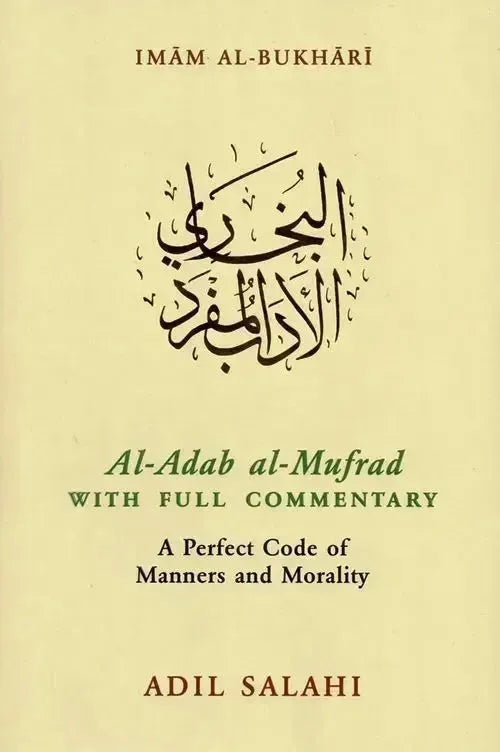
His masterwork, al-Jamiʿ al-Sahih al-Musnad, universally called Sahih al-Bukhari, was the fruit of decades of careful sifting and is considered by Sunni scholars the soundest collection of hadith and the most authoritative book after the Qurʾan itself. Among his other writings are al-Adab al-Mufrad, a treasured collection on Islamic manners and character, including its sections on dutifulness to parents (birr al-walidayn), and the monumental al-Tarikh al-Kabir, a biographical dictionary of hadith narrators. Late in life he settled in Naysabur, then, after disputes, withdrew to Khartank near Samarqand, where he died in 256 AH. His Sahih remains a cornerstone of Islamic learning, studied and commented upon in every generation since.
Every edition we carry
7 titles