ت
Home
›
Ibn Ata Allah al-Iskandari
Ibn Ata Allah al-Iskandari تاج الدين أحمد بن محمد بن عبد الكريم ابن عطاء الله السكندري
d. 709 AH / 1309 CE
13
Titles in catalogue
About
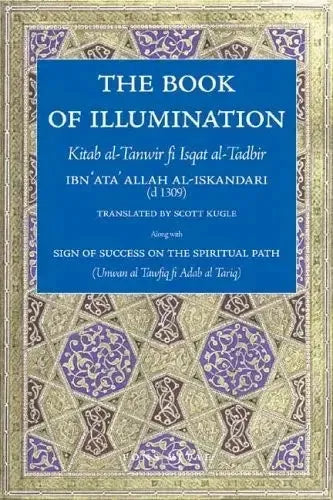
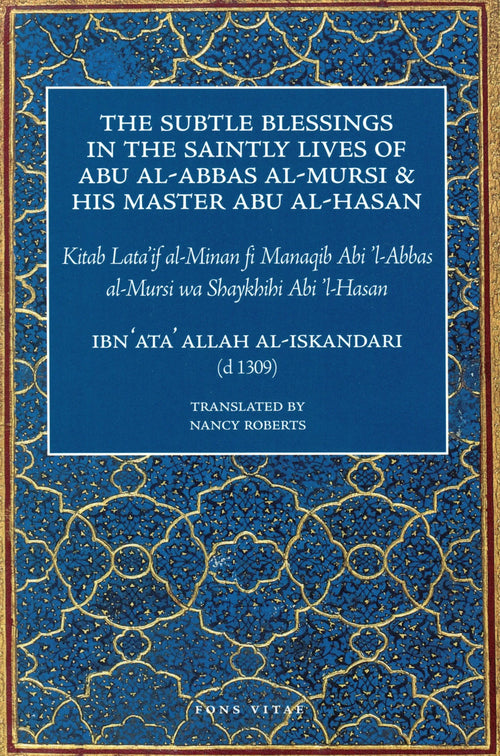
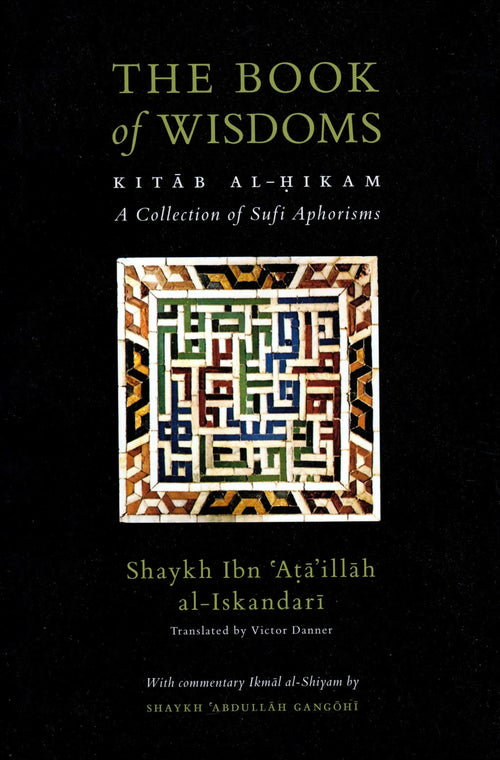
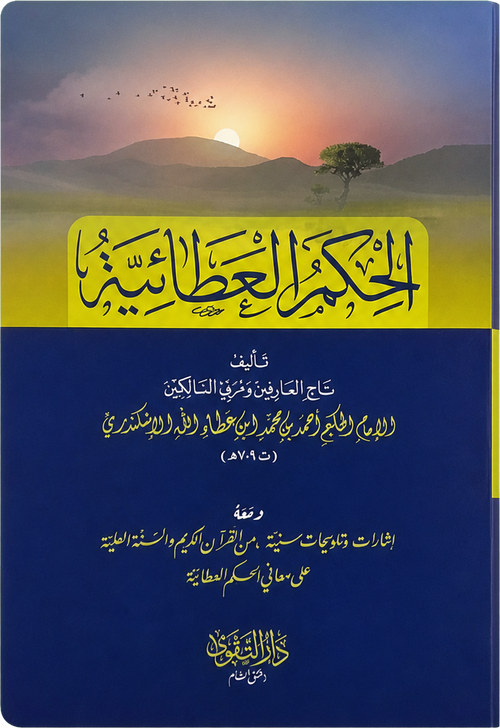
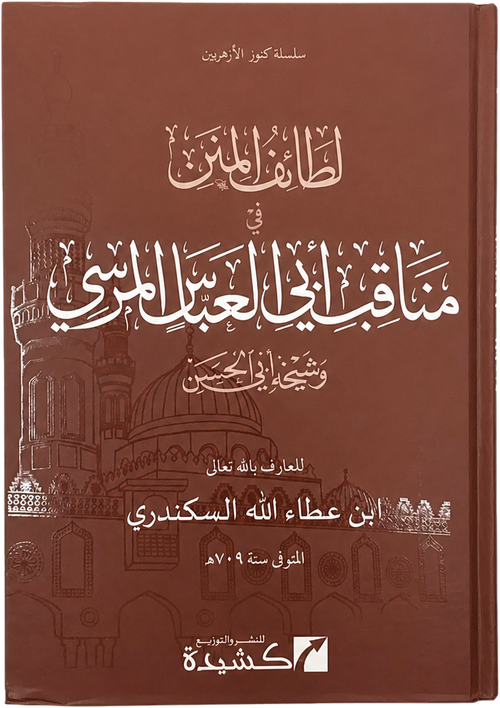
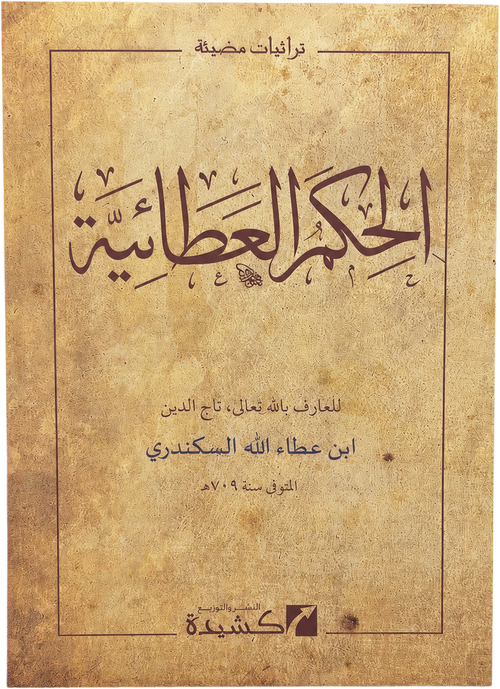
Ibn ʿAtaʾ Allah al-Iskandari (c. 650–709 AH / c. 1252–1309 CE), in full Taj al-Din Ahmad ibn Muhammad ibn ʿAbd al-Karim, was an Egyptian jurist and Sufi master honored as the third great teacher of the Shadhili order. Born and raised in Alexandria during the Mamluk period, he was a Maliki in law and at first devoted himself wholly to the religious sciences, with little inclination toward the Sufi path. That changed when he became a disciple of Abu al-ʿAbbas al-Mursi, the close successor of the order's founder Abu al-Hasan al-Shadhili. Under al-Mursi he matured into a guide who united outward learning with inward realization, and he went on to teach at the al-Azhar mosque in Cairo. He died in 709 AH and was buried in the Qarafa cemetery beneath the Muqattam hills, where his tomb is still visited. His most famous work, Kitab al-Hikam (The Book of Wisdoms), is a collection of concise aphorisms on reliance upon God, sincerity, and the realities of the spiritual life; its beauty and depth have drawn many commentaries across the centuries. Among his other enduring works are Lataʾif al-Minan, a biography of al-Mursi and al-Shadhili; al-Tanwir fi Isqat al-Tadbir, on surrendering self-direction to God; and Miftah al-Falah, a manual of invocation (dhikr). He remains one of the most widely read voices of the Shadhili tradition.