م
Home
›
Muhammad ibn Yusuf al-Sanusi
Muhammad ibn Yusuf al-Sanusi محمد بن يوسف السنوسي
d. 895 AH / 1490 CE
7
Titles in catalogue
About
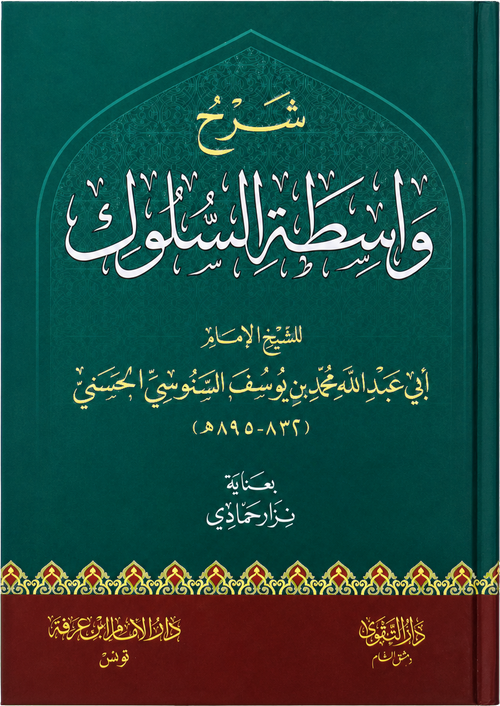
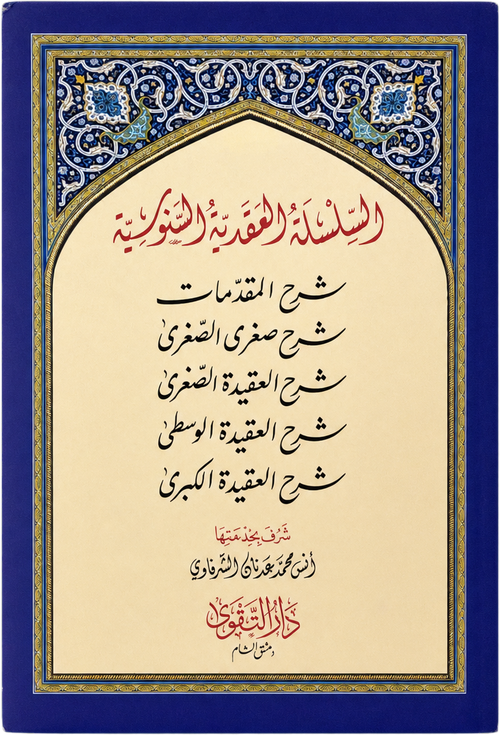
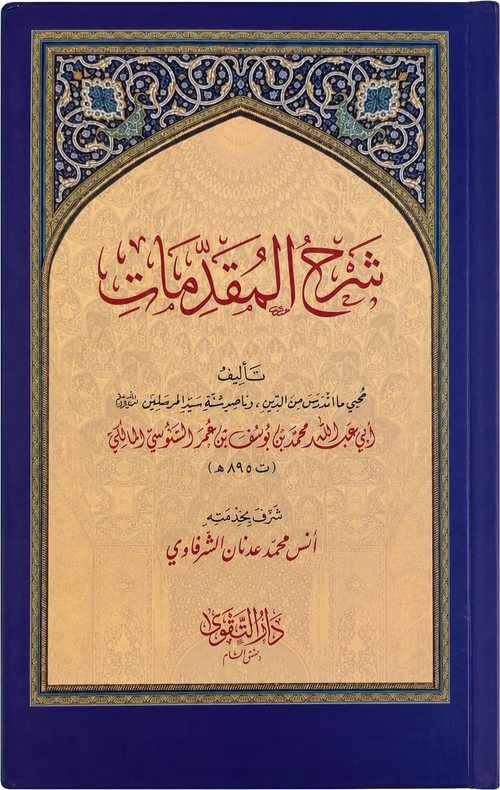
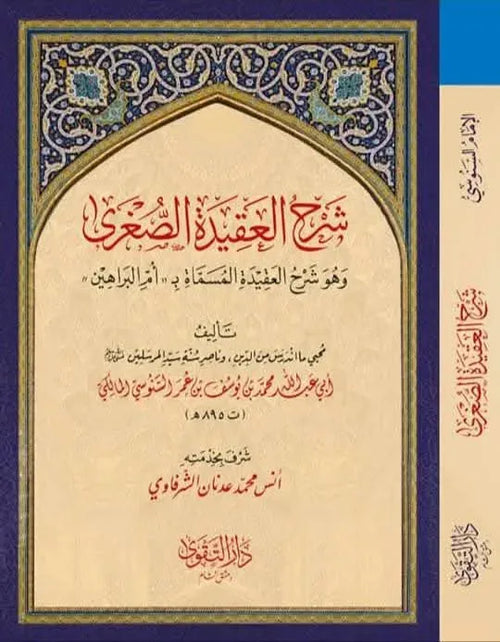
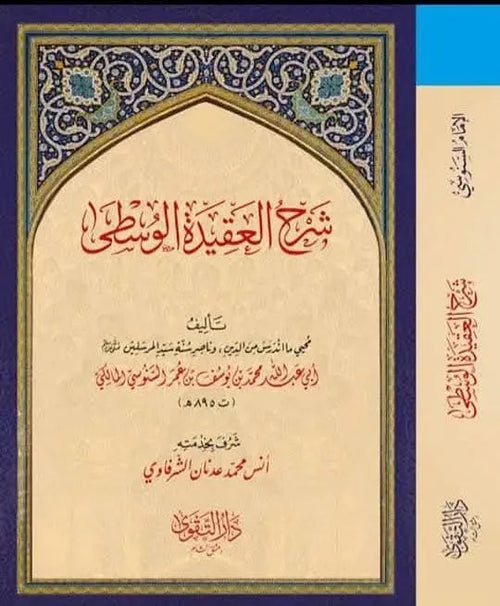
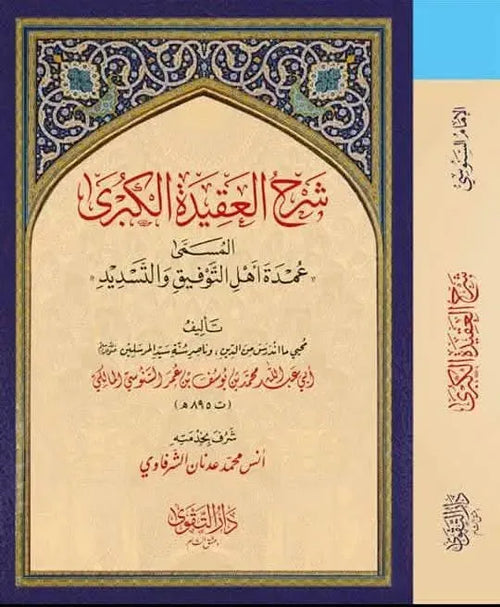
Al-Sanusi (832-895 AH, 1428-1490 CE) was a theologian, jurist, and Sufi who lived his whole life in Tlemcen, in what is now western Algeria, and is counted among the most influential Ashʿari authorities of the post-classical Maghrib. Honored by later tradition as a saint and renewer, he was Ashʿari in creed and Maliki in law. His abiding concern was pedagogical, to make sound belief accessible to ordinary Muslims, not only scholars, by grounding each article of faith in clear rational proof rather than mere transmission. He is best known for a graded series of creeds calibrated to different levels of student, from the longer al-ʿAqida al-Kubra and al-Wusta down to the short al-Sughra and the brief al-Sughra al-Sughra. The al-Sughra, famous as Umm al-Barahin (Mother of Proofs), became one of the most taught theological texts in the Muslim world, studied from West Africa to Southeast Asia and still in seminary use today. Al-Sanusi wrote his own commentaries on these creeds, and his works generated a vast tradition of glosses and super-commentaries. The titles gathered here, including the commentaries on the Sughra, the Wusta, the Muqaddimat, and Wasitat al-Suluk, alongside the multi-volume Silsila al-ʿAqdiyya, reflect that enduring teaching legacy in systematic Ashʿari theology and creed.